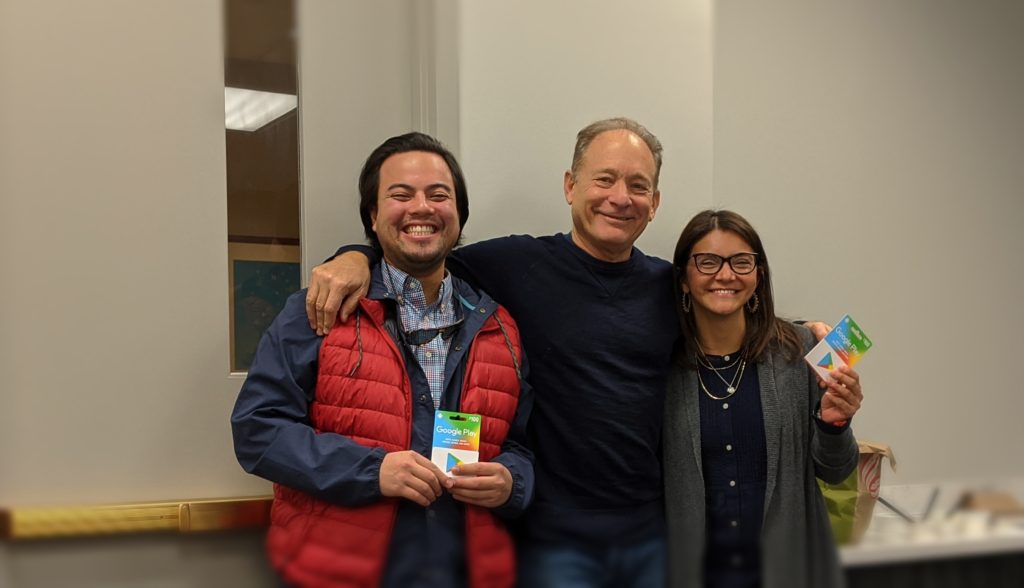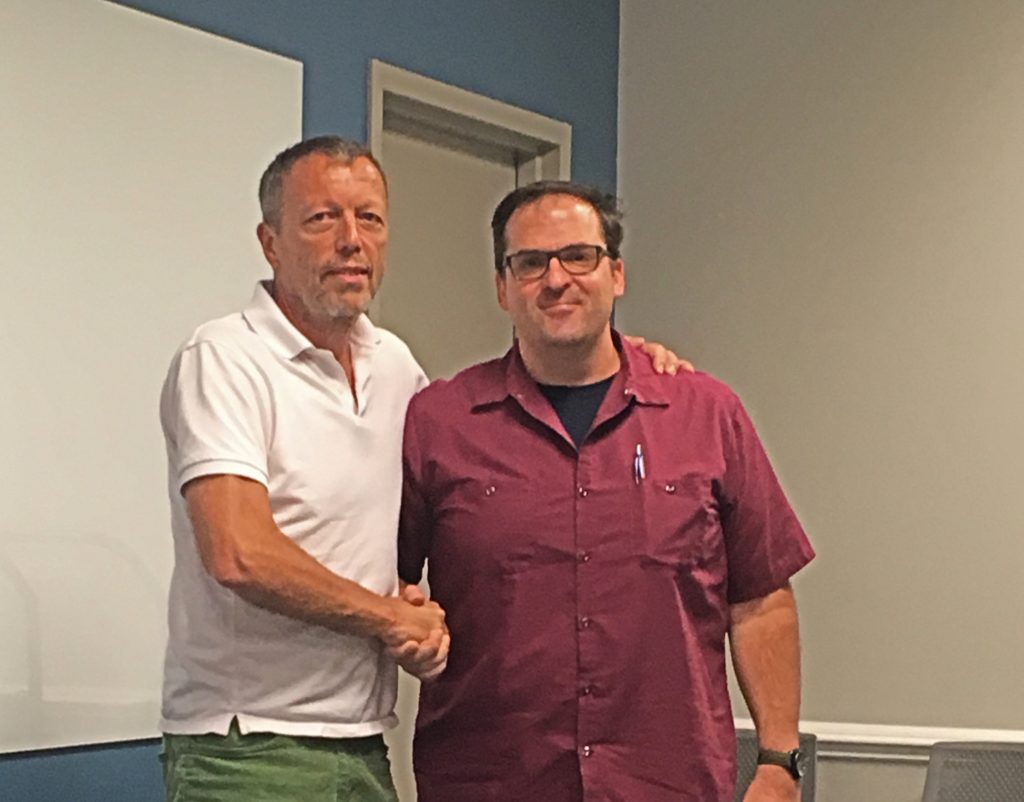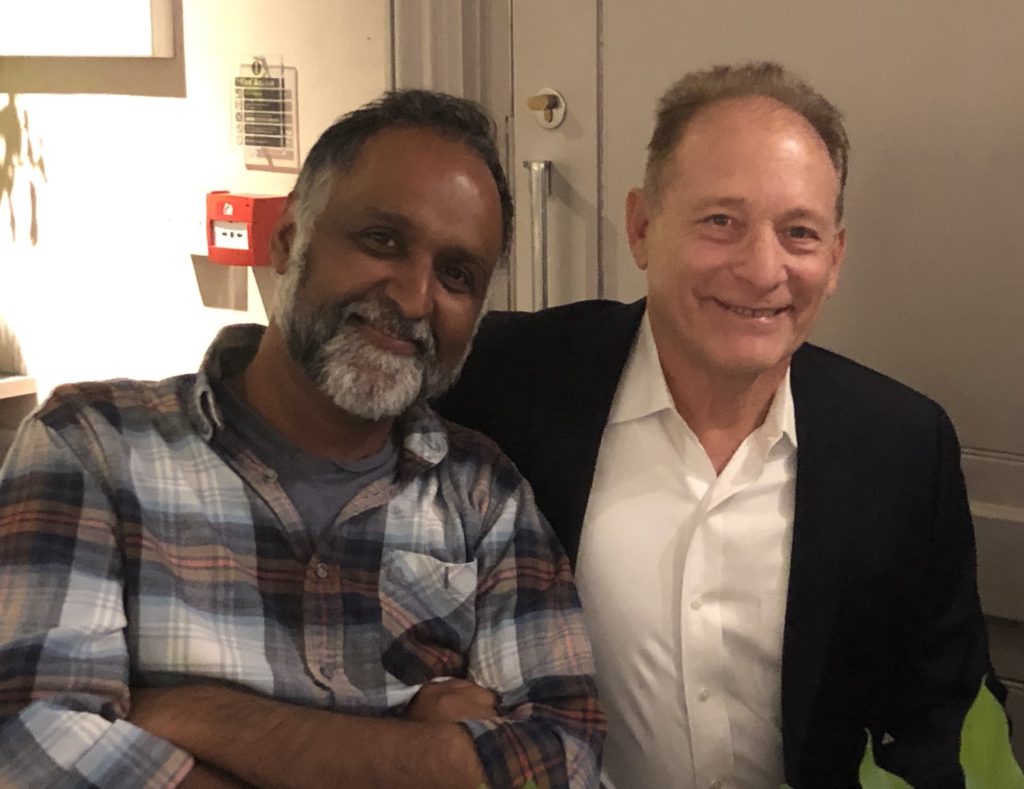
Employee of the Month: Dr. Preston Church
Sanaria and Protein Potential Recognized for Efforts Against COVID-19 in BioBuzz
Employee of the Month: Praise Nyambiya
Employees of the Month: Liza Torres-Alvarado and Christopher Carmona
i-PfSPZ-C Meets in Rockville, MD on November 18th and 19th, 2019
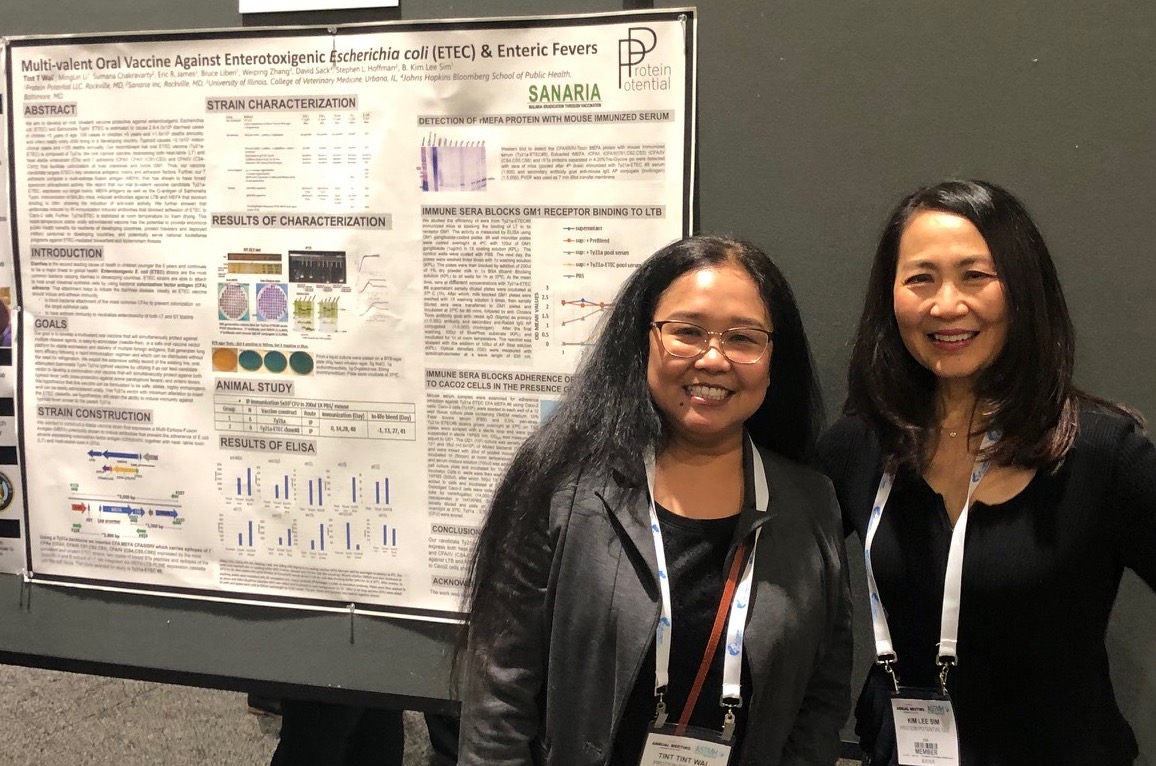
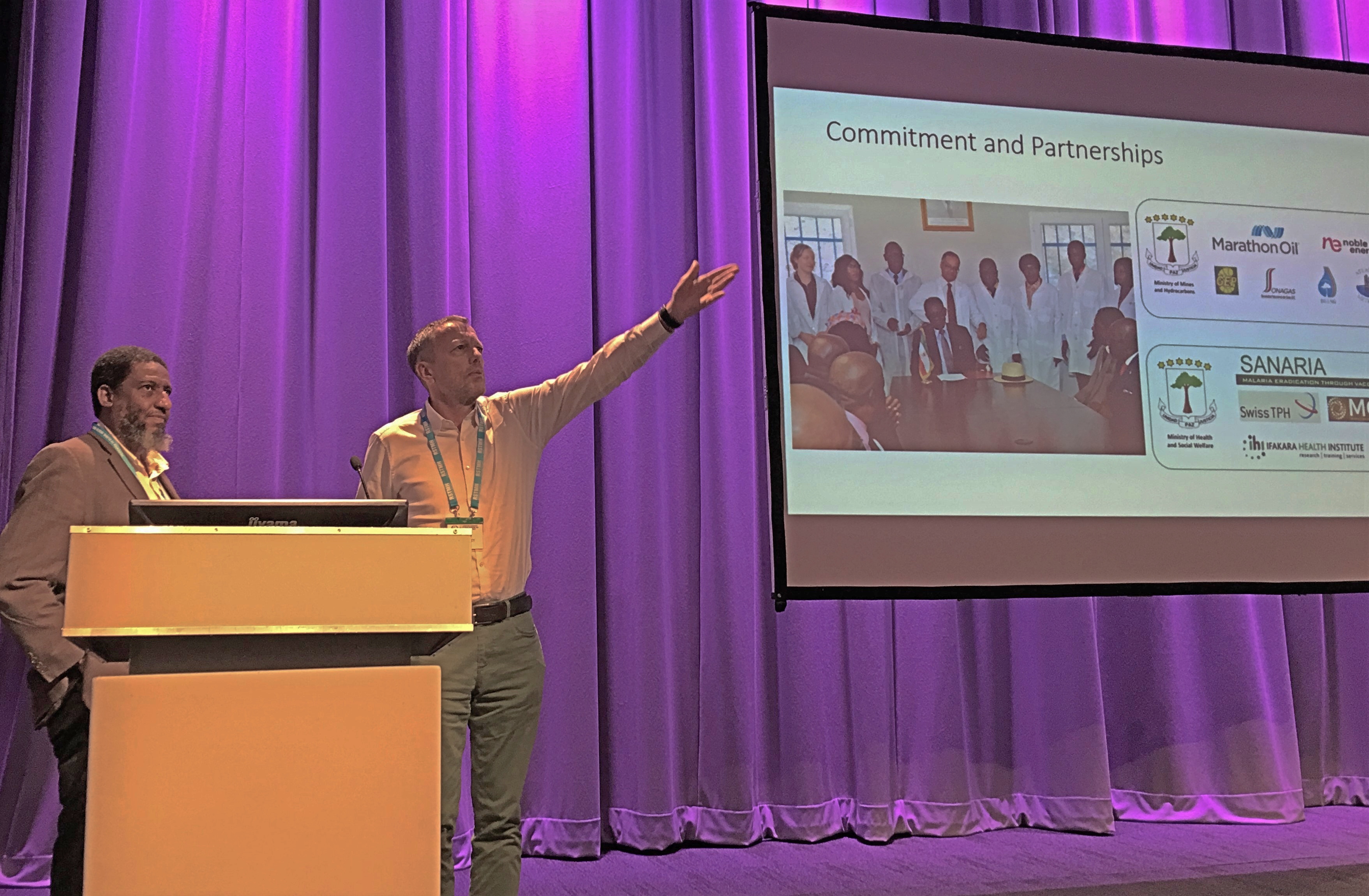
Sanaria Attended the 68th ASTMH Meeting
Increase of dose associated with decrease in protection against controlled human malaria infection by PfSPZ Vaccine in Tanzanian adults
Employee of the Month: Urvashi Rai
Ivermectin for causal malaria prophylaxis: a randomised controlled human infection trial
Dose-Dependent Infectivity of Aseptic, Purified, Cryopreserved Plasmodium falciparum 7G8 Sporozoites in Malaria-Naive Adults
Activation of TCR Vδ1+ and Vδ1-Vδ2- γδ T Cells upon Controlled Infection with Plasmodium falciparum in Tanzanian Volunteers
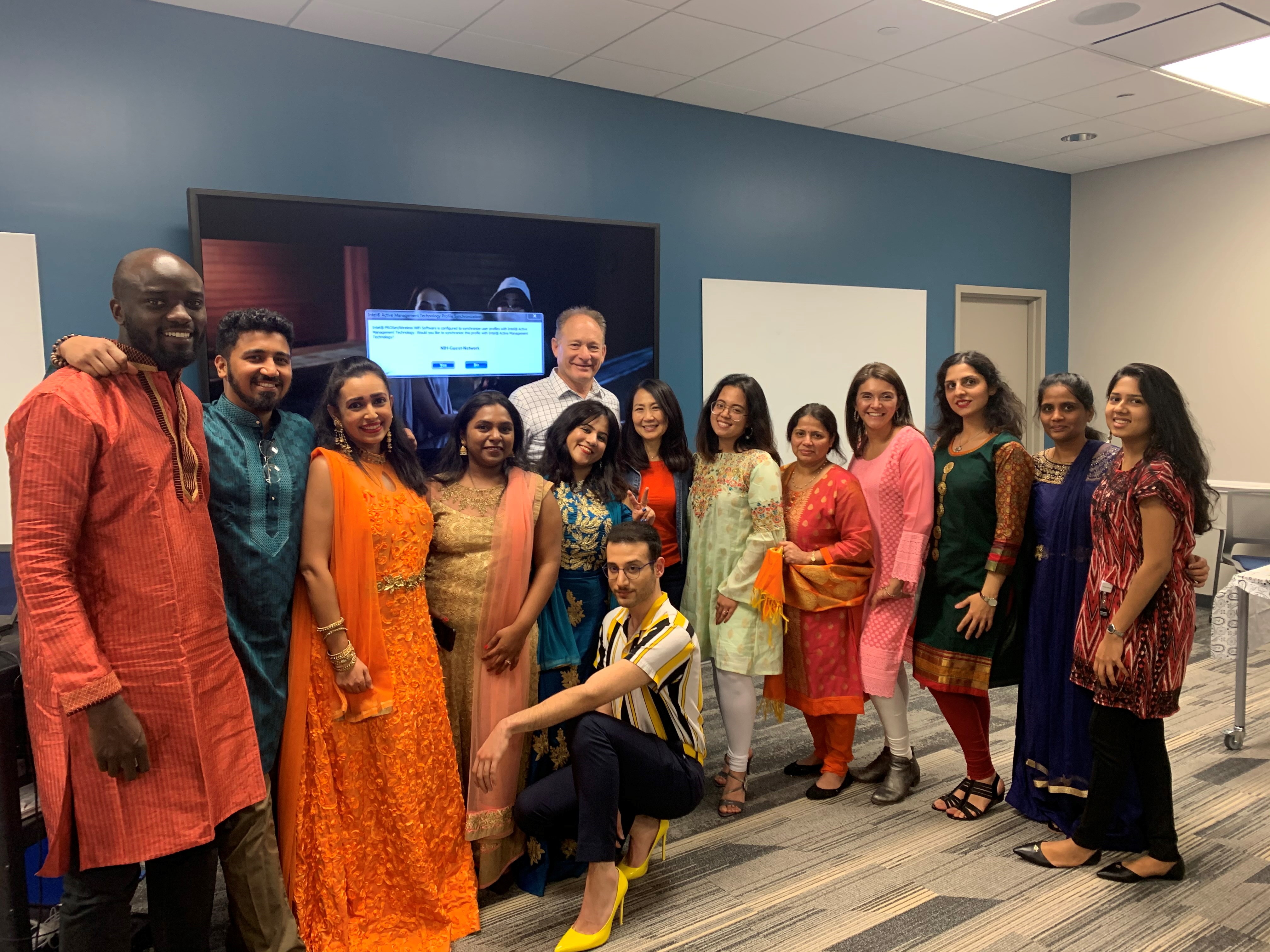
Sanaria Celebrates Diwali
Diwali, Deepavali or Dipavali is an Indian festival of lights, which is celebrated every autumn. One of the most popular festivals in India, Diwali symbolises the “victory of light over darkness, good over evil and knowledge over ignorance.” Light is a metaphor for knowledge and consciousness. During the celebration the houses, the streets are decorated with lights. People invite friends and families and celebrate together with good foods, by exchanging gifts and burning the fire crackers. Sanaria and Protein Potential celebrated today with song, dance, and delicious food!|
Employee of the Month: Joe Rosati
Prof. Shahid Kahn, Long Time Sanaria Collaborator and Friend, Passes
Controlled Human Malaria Infection of Healthy Adults With Lifelong Malaria Exposure to Assess Safety, Immunogenicity, and Efficacy of the Asexual Blood Stage Malaria Vaccine Candidate GMZ2
Sanaria and its Bioko Island Malaria Elimination Project partners win the Concordia P3 Impact Award and Audience Choice Award
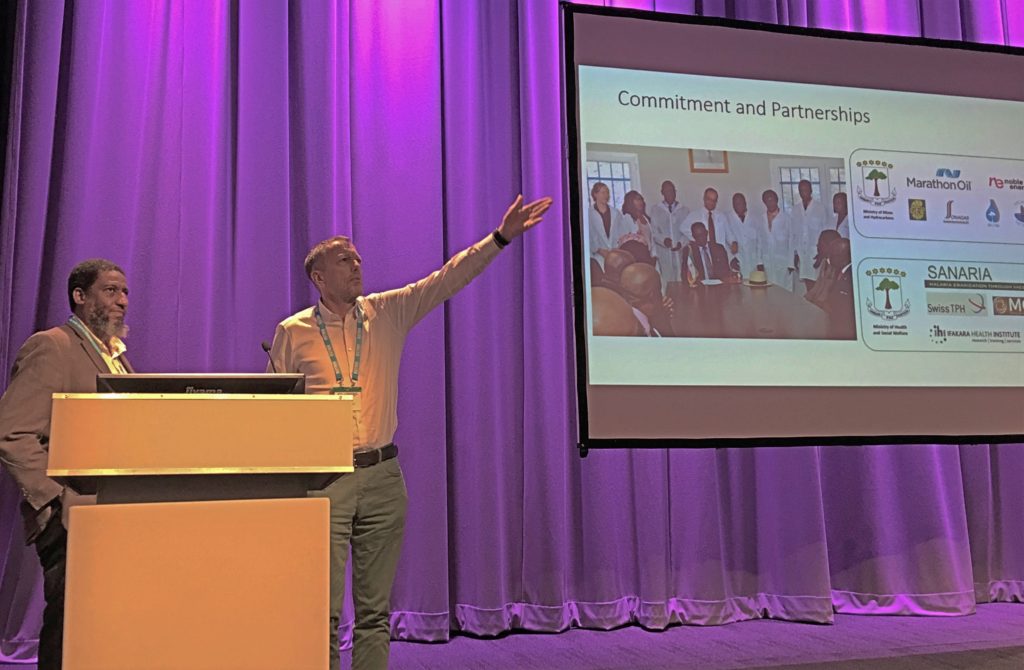
Sanaria Symposium at the European Congress on Tropical Medicine and International Health
Plasmodium vivax chloroquine resistance links to pvcrt transcription in a genetic cross
Transcriptome profiling reveals functional variation in Plasmodium falciparum parasites from controlled human malaria infection studies
Abstract
BACKGROUND:
The transcriptome of Plasmodium falciparum clinical isolates varies according to strain, mosquito bites, disease severity and clinical history. Therefore, it remains a challenge to directly interpret the parasite’s transcriptomic information into a more general biological signature in a natural human malaria infection. These confounding variations can be potentially overcome with parasites derived from controlled-human malaria infection (CHMI) studies.
METHODS:
We performed CHMI studies in healthy and immunologically naïve volunteers receiving the same P. falciparum strain ((Sanaria® PfSPZ Challenge (NF54)), but with different sporozoite dosage and route of infection. Parasites isolated from these volunteers at the day of patency |